Los Angeles Weather by Month: Coast, Downtown and Valley
NOAA climate normals for Downtown Los Angeles, LAX and Burbank by month, plus May Gray and June Gloom, Santa Ana winds, fire weather and the rainy season.
The short answer. Los Angeles weather by month runs from highs of 66 to 68°F and lows in the upper 40s in winter to highs of 84°F Downtown and 89°F in Burbank in August, with almost no rain from May to October. In Celsius that’s about 19 to 20°C and 7 to 10°C in winter, and 29 to 32°C in an August afternoon away from the coast. The rain falls in winter, and the Downtown normal is wettest in February at 3.64 inches. The big swing is not between seasons but between places. The beach stays cooler than Downtown, and Downtown stays cooler than the Valley, with the gap widest in summer. Spring brings the marine layer, a low cloud deck that can hold the coast under grey skies into early summer. Fall and winter bring the risk of Santa Ana winds and fire weather. The dry months from late spring to fall are the easy ones for the beach and the outdoors, and winter is the season to carry a rain layer.
The numbers below are official. They’re the 1991 to 2020 climate normals published by NOAA’s National Centers for Environmental Information, for three named stations: Downtown Los Angeles (the USC campus station), Los Angeles International Airport (LAX) on the coast, and Burbank Glendale Pasadena Airport in the inland Valley. A normal is a 30-year average, so any single week can be warmer, cooler or wetter. Temperatures are in degrees Fahrenheit and rainfall is in inches.
Month by month
| Month | Downtown high / low | LAX high / low | Burbank high / low | Downtown rain |
|---|---|---|---|---|
| January | 68 / 49 | 66 / 49 | 67 / 45 | 3.29 |
| February | 68 / 50 | 66 / 50 | 67 / 46 | 3.64 |
| March | 70 / 52 | 66 / 52 | 70 / 49 | 2.23 |
| April | 72 / 55 | 68 / 54 | 73 / 52 | 0.69 |
| May | 74 / 58 | 70 / 58 | 76 / 57 | 0.32 |
| June | 77 / 61 | 72 / 61 | 80 / 60 | 0.09 |
| July | 82 / 65 | 75 / 64 | 87 / 65 | 0.02 |
| August | 84 / 65 | 77 / 65 | 89 / 65 | 0.00 |
| September | 83 / 64 | 77 / 64 | 87 / 63 | 0.13 |
| October | 79 / 60 | 74 / 60 | 79 / 58 | 0.58 |
| November | 73 / 53 | 71 / 54 | 73 / 49 | 0.78 |
| December | 67 / 48 | 66 / 49 | 66 / 44 | 2.48 |
Source: NOAA NCEI monthly climate normals, 1991 to 2020, station files USW00093134 (Downtown Los Angeles), USW00023174 (LAX) and USW00023152 (Burbank Glendale Pasadena Airport). Values are rounded to the nearest degree.
What each stretch of the year looks like
December to February. These are the cool months and the wet ones. Downtown’s January and February normals are the wettest of the year at 3.29 and 3.64 inches, and December is not far behind. Highs stay in the upper 60s at all three stations, while nights drop to the upper 40s, and a few degrees lower in Burbank. Pack a light jacket and a rain layer.
If you’re in town on 1 January, the Rose Parade in Pasadena is scheduled for 8 a.m. on Friday, 1 January 2027, along Colorado Boulevard, followed by the Rose Bowl Game the same day, per the Tournament of Roses. The Rose Bowl Stadium is on the map.
March to May. Rain falls off quickly. Downtown’s April normal is 0.69 inches and May’s is 0.32. Highs climb through the low 70s. This is also when the coast starts to differ from the inland areas. At LAX the May high is 70, while Burbank’s is 76.
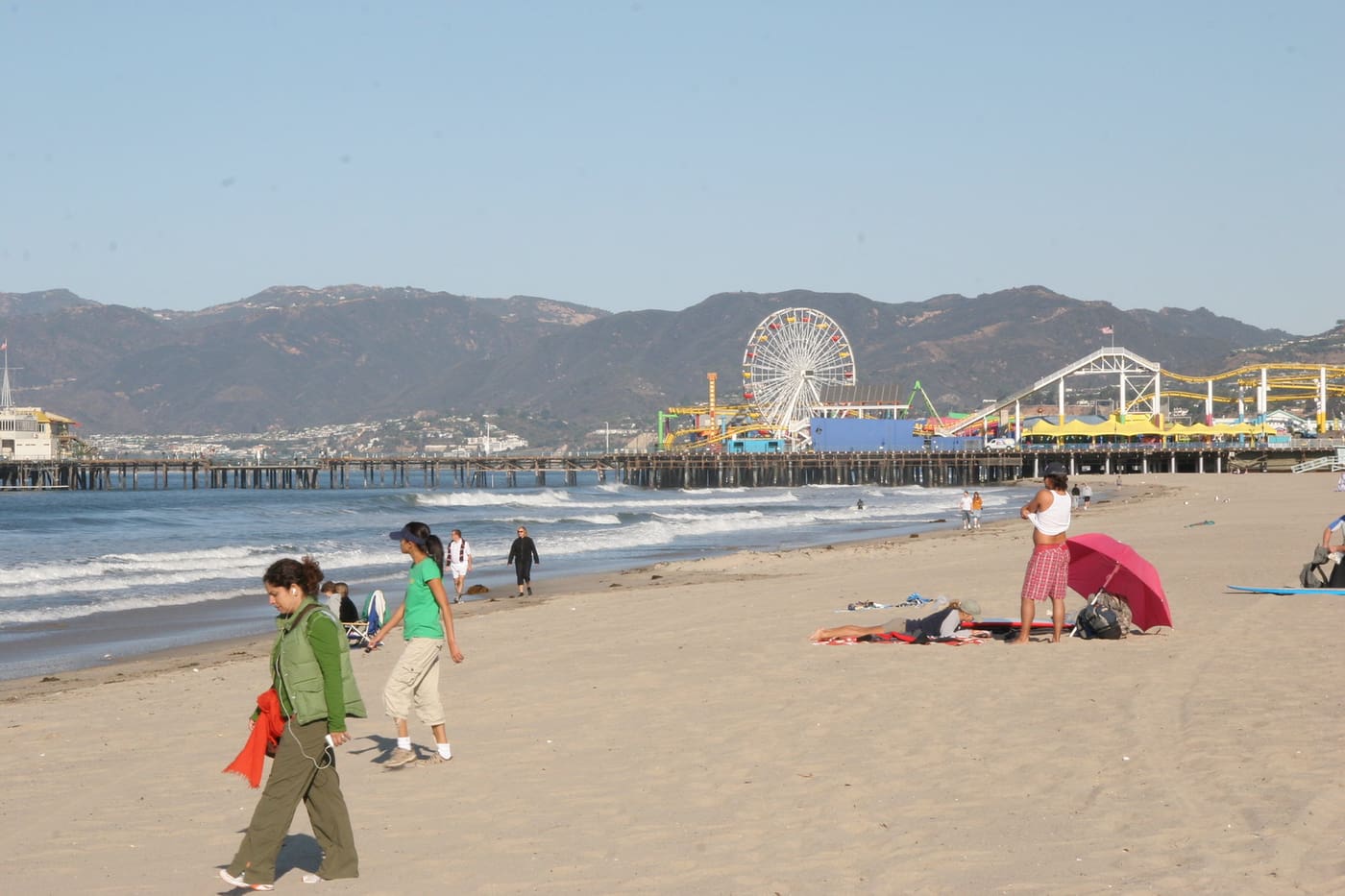
June to August. The dry season proper. Downtown’s August rain normal is 0.00 inches, and July and June are close to nothing. The highs diverge most here: 77 at the airport in August against 84 Downtown and 89 in Burbank. Overnight lows are close across the three, about 64 to 65 degrees in July and August.
September to November. September stays hot inland, with highs of 77 at LAX, 83 Downtown and 87 in Burbank. October highs ease to 74 at LAX and 79 Downtown and in Burbank. By November the highs fall back to the low 70s everywhere. Downtown’s rain normal rises from 0.13 inches in September to 0.58 in October and 0.78 in November, and the Santa Ana season described below begins in this stretch.
Best time to visit Los Angeles
April to October is the most predictable stretch, because Downtown’s rain normal is under 0.7 inches in every one of those months. Within it, April and May are mild but the coast can be grey in the mornings, July to September is the warmest at the beach, and October still gives highs of 74 at LAX and 79 Downtown with the Santa Ana winds a possibility. November is a good shoulder month, with highs in the low 70s and only 0.78 inches of rain Downtown. Winter is fine if you’re coming for the hills, the museums or the Rose Parade, as long as you pack a rain layer.
Los Angeles in December and winter temperatures
December is the coolest month at night. The Downtown normal is 67 high and 48 low, LAX is 66 and 49, and Burbank is 66 and 44. Downtown gets 2.48 inches of rain in December, so it’s the start of the wet season rather than its peak. January and February have the same highs, in the upper 60s, with lows of 45 to 50. So a winter day is a light jacket in the afternoon and a heavier layer at night, and the coolest nights are in Burbank.
Coast versus inland
The tables show the pattern clearly. In July, LAX’s high is 75, Downtown’s is 82 and Burbank’s is 87. The difference is almost all in the daytime highs. Nights are close across the three. If you’re staying near the beach, you’ll want a layer in the evening even in summer, and if your plans include Pasadena, Glendale and Burbank or the San Fernando Valley, plan for heat in the afternoon from July to September and pick the early or late part of the day for anything outdoors.
May Gray and June Gloom
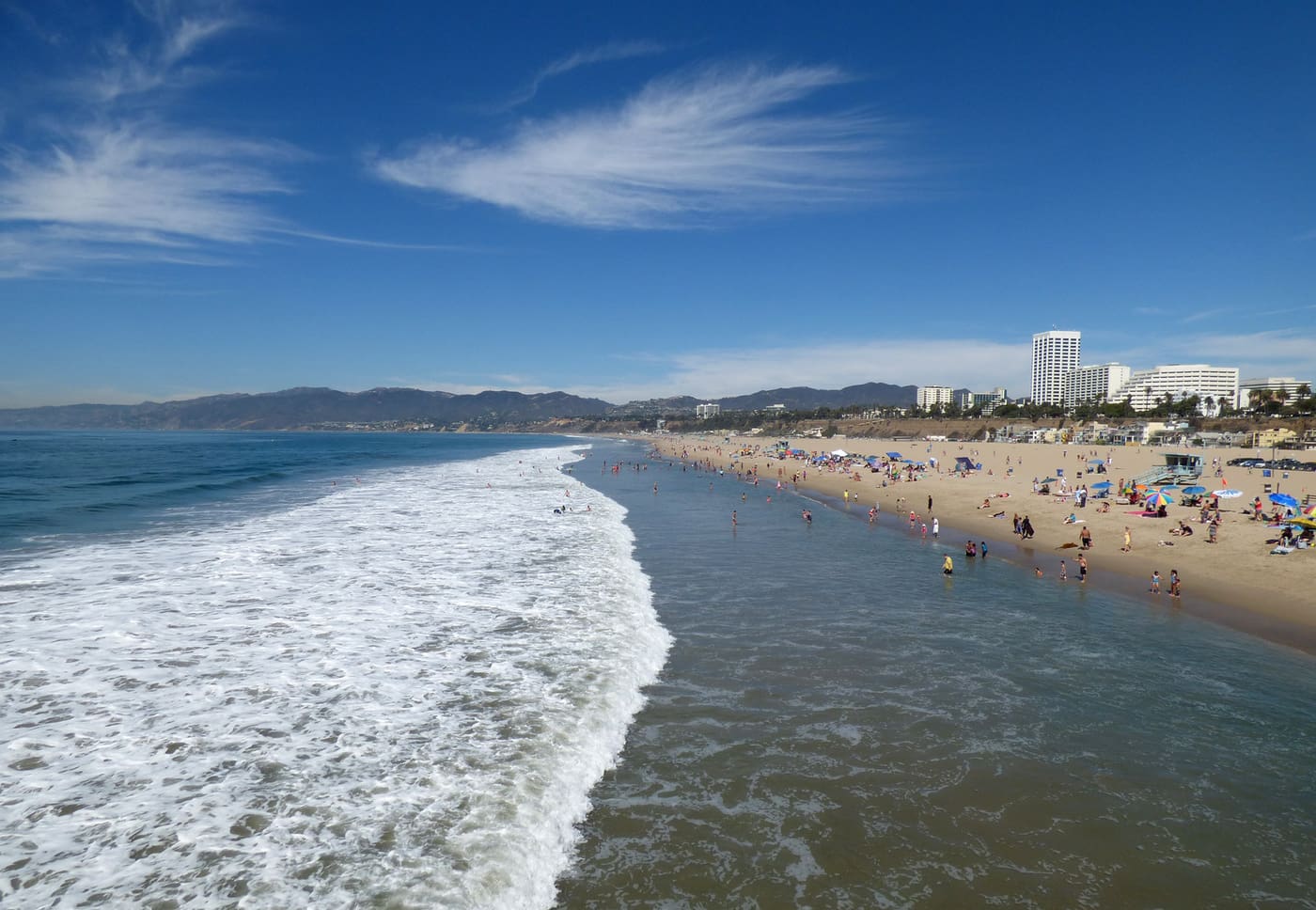
The marine layer is a low cloud deck that forms over the cool ocean water under a temperature inversion. NOAA’s JetStream guide explains that because it persists into early summer, people in Southern California call it May Gray or June Gloom. The same page notes that the pressure gradient that helps it form is strongest between April and June, and that by midsummer the beaches usually clear by mid-morning.
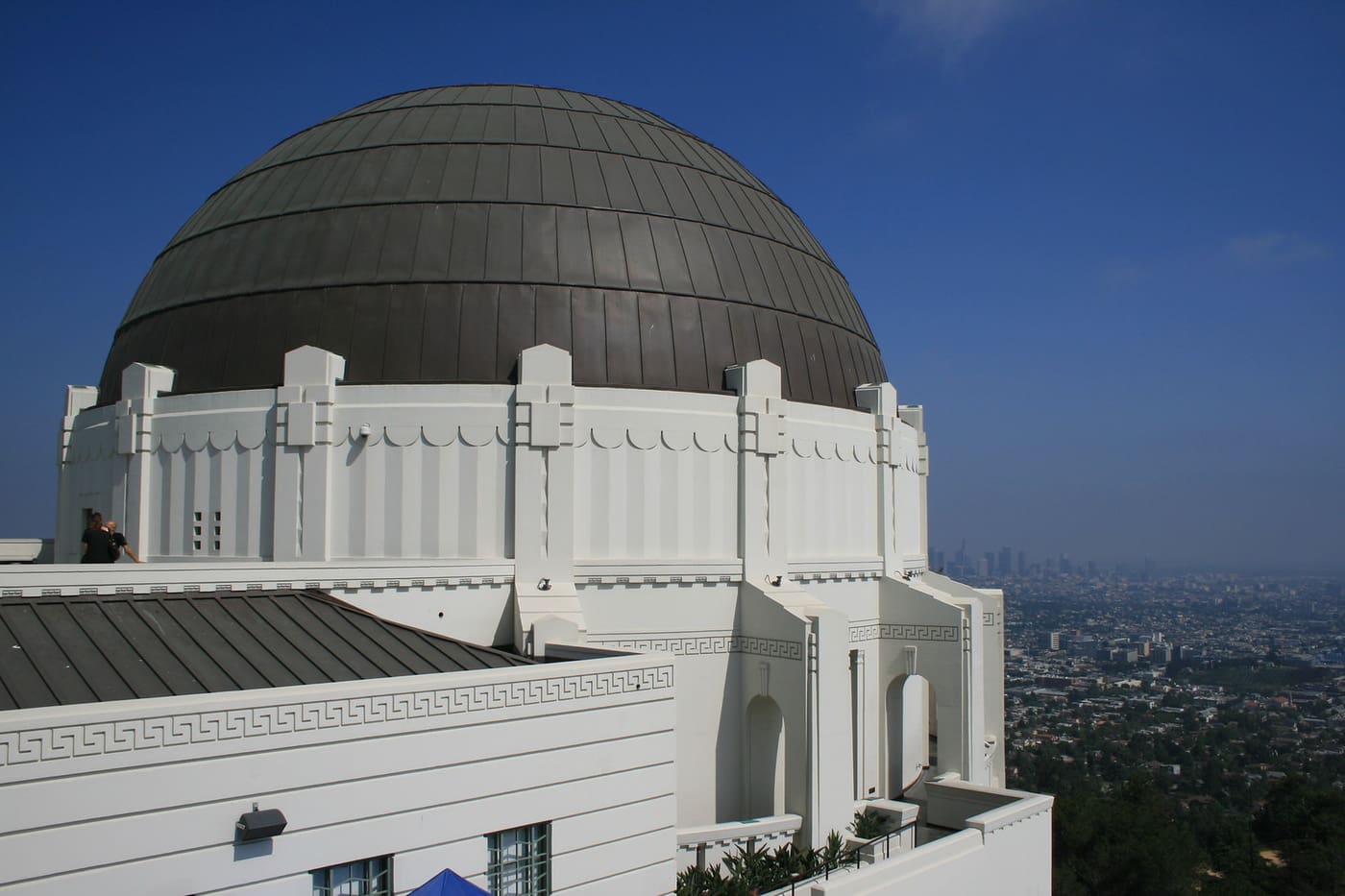
What that means for a trip is a plan, not a warning. On a gloomy morning, the coast can stay grey until late morning or beyond, while inland neighbourhoods are often sunny. If your trip falls in May or June, schedule the beach for the afternoon or take a Griffith Observatory or museum morning, then head to the shore. The layer can also return at other times of year, and NWS Los Angeles forecast discussions have described a June Gloom pattern as late as September.
Santa Ana winds and fire weather
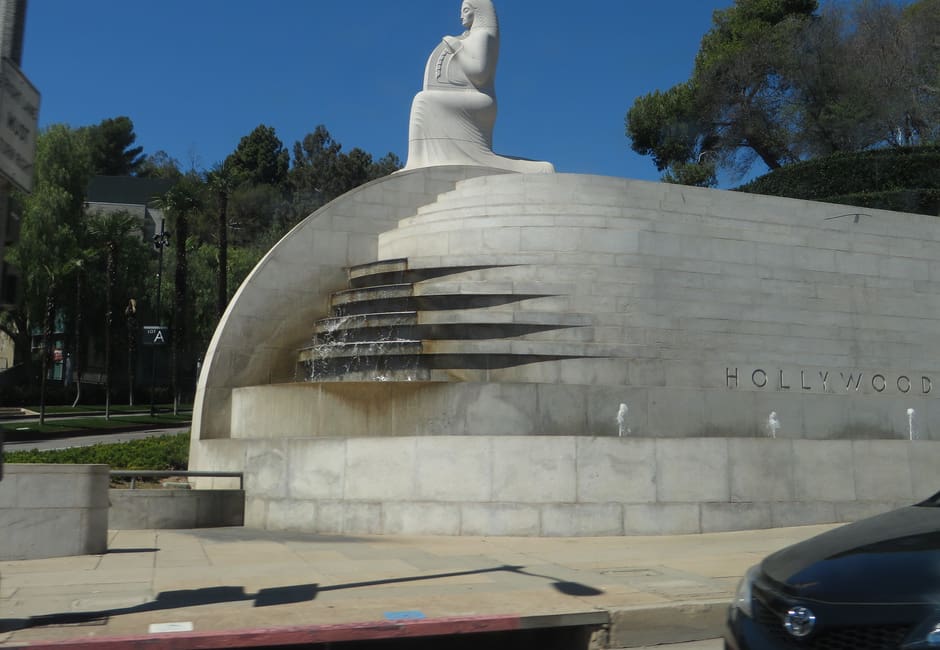
Santa Ana winds are strong, dry winds that blow from the east or northeast, and the NWS describes them as occurring mostly in fall and winter in its Weather Guide for the region. They’re a separate thing from the marine layer, and they bring dry air and raise the fire danger in the hills. For a visitor, that means two practical points. Fire weather alerts, such as Red Flag Warnings, are issued by the National Weather Service, and the current list is on weather.gov/lox. And trails, parks and roads in the hills can close at short notice, so check the managing agency’s page on the day for anywhere you plan to hike, including the trails around the Hollywood Sign and Griffith Park. The Hollywood Sign Trust says individual trails can close.
Ocean temperature
An official figure for water temperature isn’t included here. NOAA publishes ocean and buoy observations for the Southern California coast at ndbc.noaa.gov, and that’s the place to look the week you travel. NOAA’s marine layer page says the cold water off the coast helps create the layer.
Putting it together
For a first trip centred on the sights, the dry months from April through October give you the most predictable days, with the caveat that the coast can be grey in May and June. For the beach, July to September gives the warmest afternoons at the shore, and Burbank and the Valley are noticeably hotter than the coast. Winter is the cooler season for the hills, the museums and the Rose Parade. In all seasons, pack a light layer for evenings, because the gap between daytime highs and overnight lows is roughly 10 to 25 degrees in the normals above.
Forecast for your dates
Normals are averages, so use them to choose a month and the forecast to pack. The National Weather Service forecast for Los Angeles is at weather.gov/lox, and it’s the place to check the week you travel, including any fire weather alerts.
When you’re planning around the weather, the getting around guide covers how to reach each area, and the Santa Monica, Hollywood and Downtown comparison will help you pick a base. Events and live music list what’s on for your dates, and the map shows where everything is.
Frequently Asked Questions
What is the weather like in Los Angeles year-round?
Mild, with highs from 66 to 68°F in winter to 84°F Downtown in August, and rain mostly from December to March. The coast stays cooler than Downtown, and Burbank and the Valley run hottest in summer.
What is the hottest month in Los Angeles?
August. The normal high is 84°F Downtown and 89°F in Burbank, against 77°F at LAX on the coast.
What months does it rain in Los Angeles?
Mostly December to March. Downtown’s wettest month is February at 3.64 inches, and August has 0.00 inches.
Does it get cold in LA in December?
Not by most standards. The December normal is 67°F high and 48°F low Downtown, and 66°F and 44°F in Burbank. Pack a light jacket and a rain layer.
What is Los Angeles’ coldest month?
December has the lowest night temperatures in the normals, 48°F Downtown and 44°F in Burbank. The daytime highs in December, January and February are all in the upper 60s.
What is the best month to visit Los Angeles?
The dry months from April to October are the most predictable, and October and November still give highs in the 70s. The coast can be grey in May and June.
What are May Gray and June Gloom?
Names for the marine layer, a low cloud deck over the coast in late spring and early summer. Beaches usually clear by mid-morning by midsummer, and inland areas are often sunny while the coast is grey.
How much hotter is the Valley than the coast?
In July the normal high is 75°F at LAX, 82°F Downtown and 87°F in Burbank. Nights are close across the three.
Places in this guide
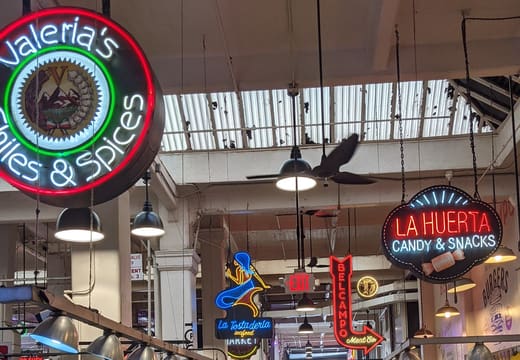
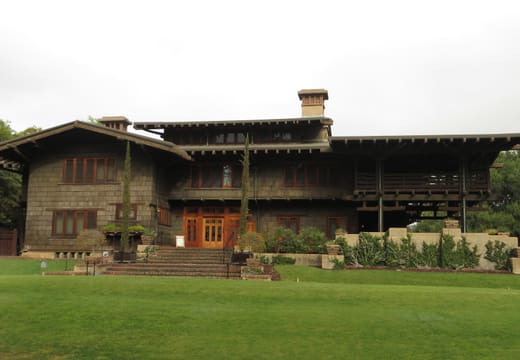
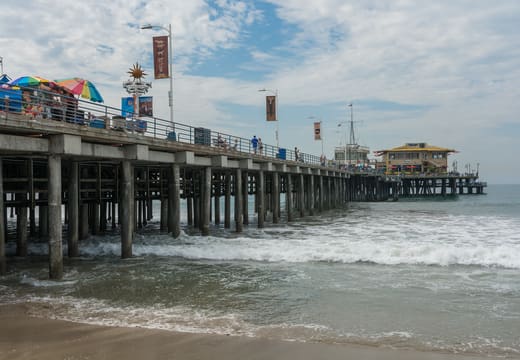
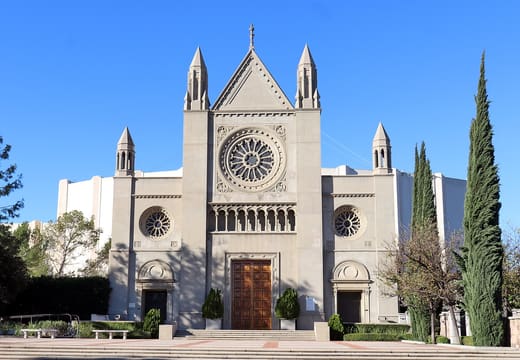
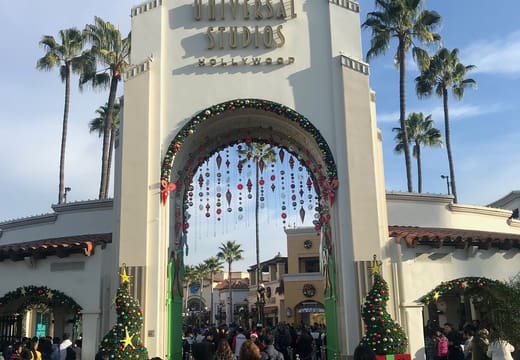
Photos show the actual places, licensed under Creative Commons and credited to their photographers.
Find hotels in Los Angeles
Browse live availability and compare prices for your dates.
See hotels near Los Angeles on Booking.comPrices are for the night of Saturday 21 November. You can change the dates on Booking.com. If you book, Roam Los Angeles earns a small commission from Stay22 at no extra cost to you.