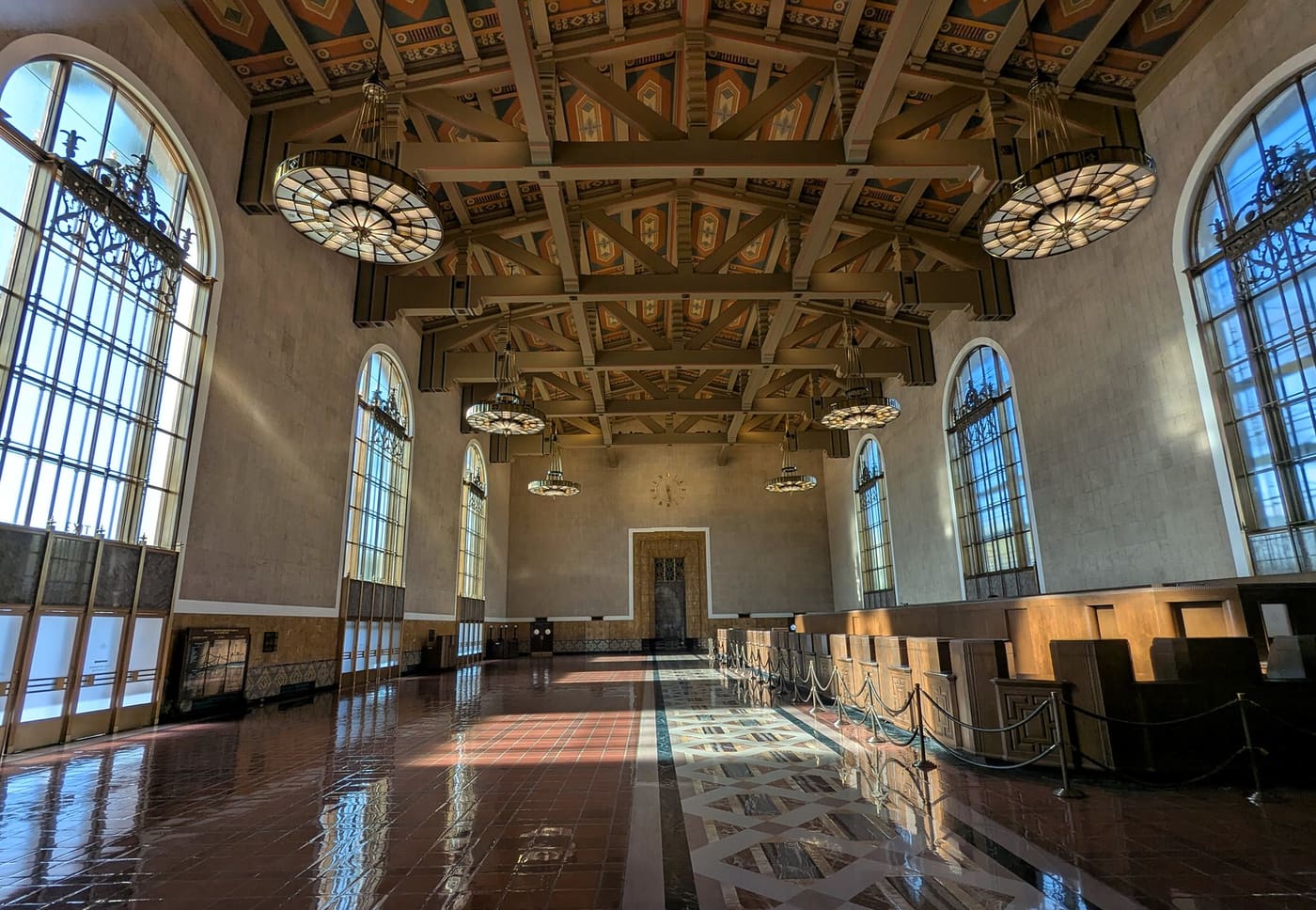
Getting Around Los Angeles: LAX, Metro, Driving and Trip Times
How to get from LAX into the city, what Metro rail and buses cover, when a car or rideshare makes sense, and how Amtrak, bikes and distances work.
The short answer. The easiest way to get around Los Angeles is to plan each day around one or two areas and not one plan for the whole trip. You can manage without a car if you base yourself near Metro rail, and a car or rideshare is the fallback for the gaps. Metro rail is good for Downtown, Hollywood, Santa Monica and the airport connection, and it’s cheap. A car or rideshare fills the gaps between the beach, the hills and the Westside. Pick a base, group the day’s stops by area, and avoid crossing the city at rush hour.
Fares, schedules and airport arrangements change, so check the linked pages close to your dates.
From LAX into the city
No train goes into the LAX terminals. Your choices are a bus, a rideshare or taxi, a rental car, or the Metro rail connection.
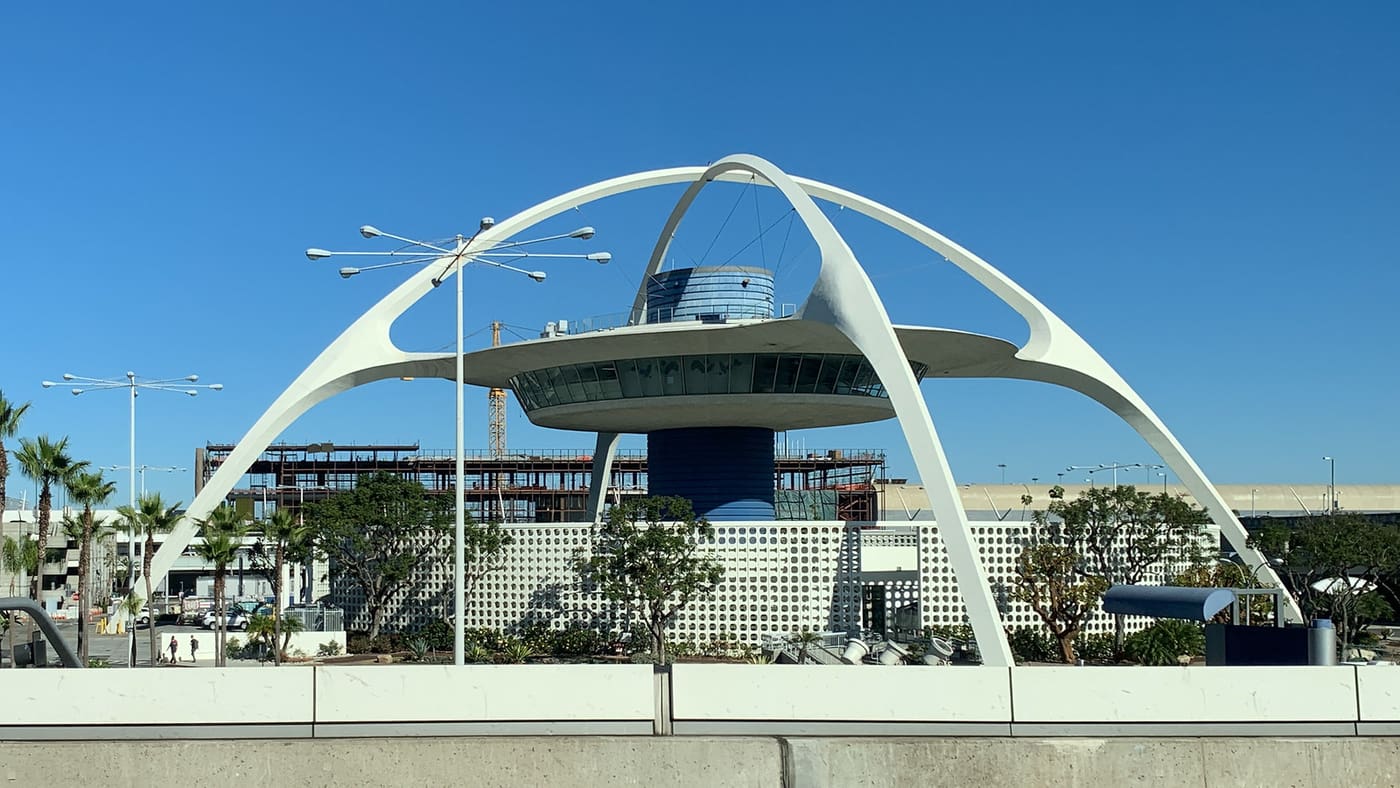
Metro rail. The LAX/Metro Transit Center station opened on 6 June 2025. It sits just outside the airport and connects the C Line and the K Line, per Metro. When it opened, Metro said free shuttle buses run by the airport would link the station and the terminals every 10 minutes, boarding at the station’s bus bays and stopping on the arrivals level. The K Line runs north to Expo/Crenshaw, where you change to the E Line for Santa Monica in one direction or Downtown in the other. The C Line runs east toward Norwalk. It’s a cheap trip and a slow one with luggage, because it takes a shuttle and at least one change.
The Automated People Mover. The airport is building a train, called SkyLink, to link the Metro station and the terminals. Until it’s running, plan on the free shuttles and check lax.org the week you fly.
FlyAway buses. The airport’s FlyAway service runs non-stop to Union Station in Downtown and to Van Nuys in the Valley. Stops, times and fares are on flylax.com, so confirm them there before you travel. The Union Station stop puts you at the rail hub for the B Line, the D Line and Amtrak, which makes it a useful way in if you’re staying Downtown or heading to Hollywood on the subway.
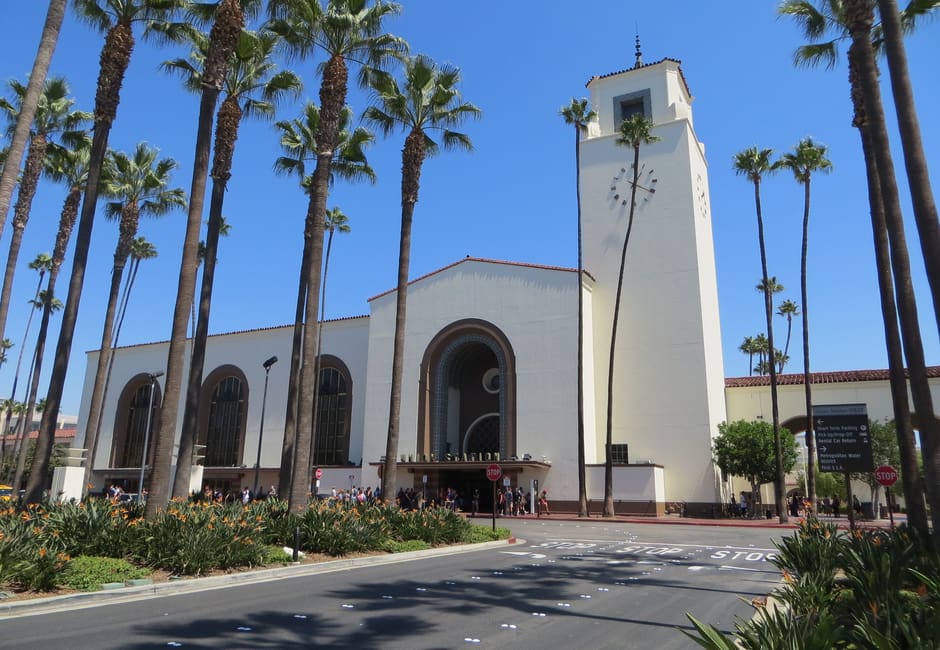
Rideshare and taxi. The airport runs a separate pickup area for rideshare and its own taxi stands, and the locations have moved as terminal roadwork has changed. Follow the signs and check lax.org for the current pickup point. A ride to Santa Monica or Downtown is the easy option with bags, and the price depends on traffic and time of day, so check the app.
Metro rail and buses
Metro runs the rail lines and most of the county’s buses. The rail lines named on metro.net are:
- A Line, from Pomona to Long Beach.
- B Line, from Union Station to North Hollywood, a subway that stops in Hollywood.
- C Line, from Norwalk to the LAX/Metro Transit Center.
- D Line, from Union Station to Wilshire/La Cienega. The first section of its extension west along Wilshire opened on 8 May 2026, adding stops at Wilshire/La Brea, Wilshire/Fairfax and Wilshire/La Cienega. Further stops toward Century City and Westwood aren’t open yet.
- E Line, from East Los Angeles to Santa Monica, through Downtown.
- K Line, from Expo/Crenshaw to Redondo Beach.
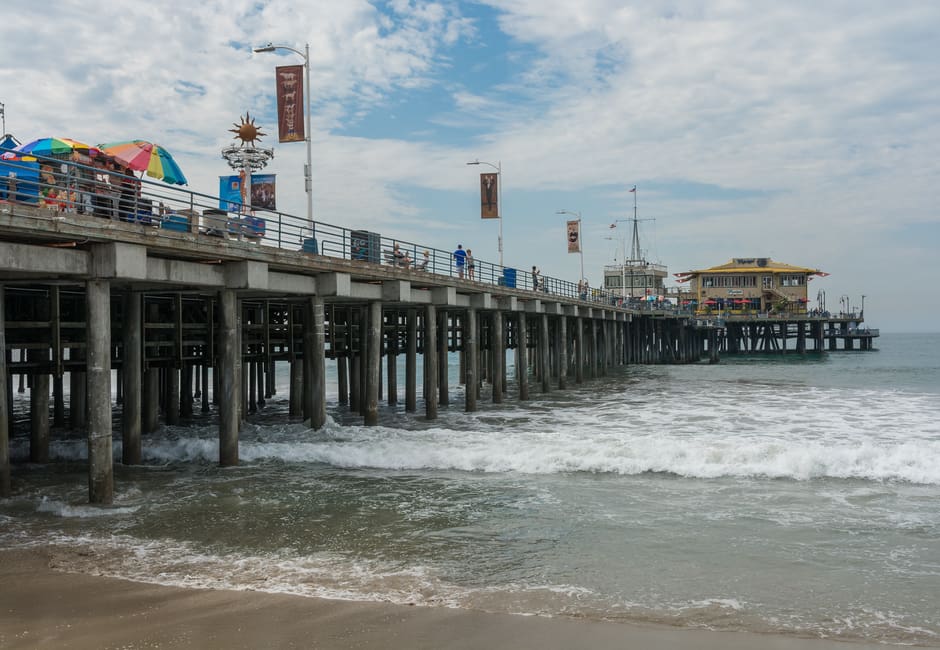
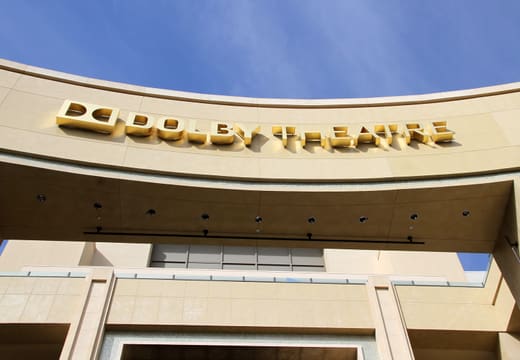
The B Line is the one most visitors use first. It runs from Union Station past Hollywood/Highland and Hollywood/Vine, so it reaches the Hollywood Bowl area, the Dolby Theatre and The Hollywood Museum without a car. The E Line is the one for the coast. It ends in Downtown Santa Monica, a few blocks from the Third Street Promenade and the Santa Monica Pier. Metro’s own projection before the E Line opened was 46 minutes between 7th Street/Metro Center and Downtown Santa Monica. Check the current timetable for the real figure.
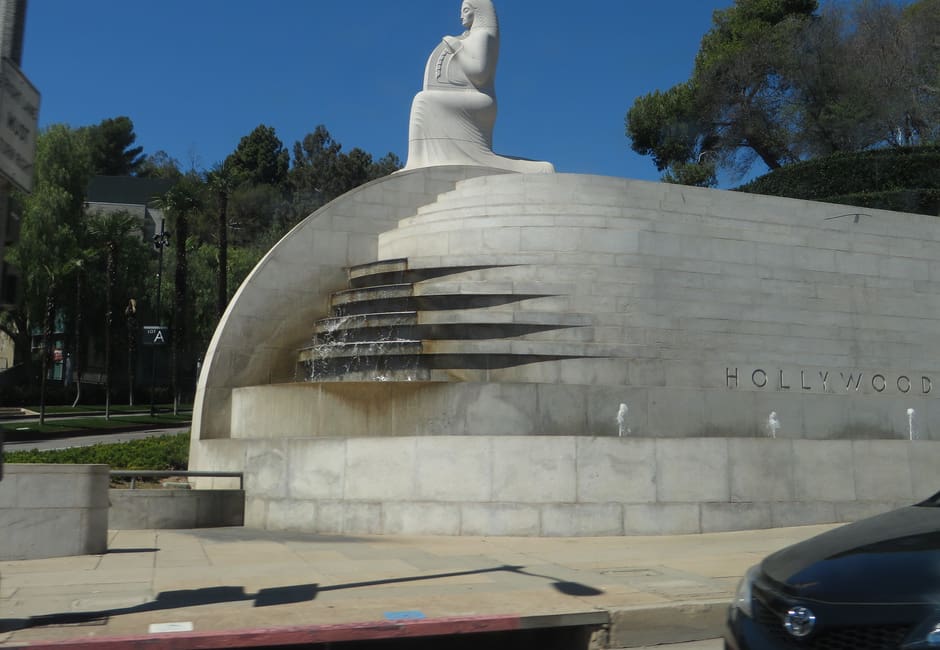
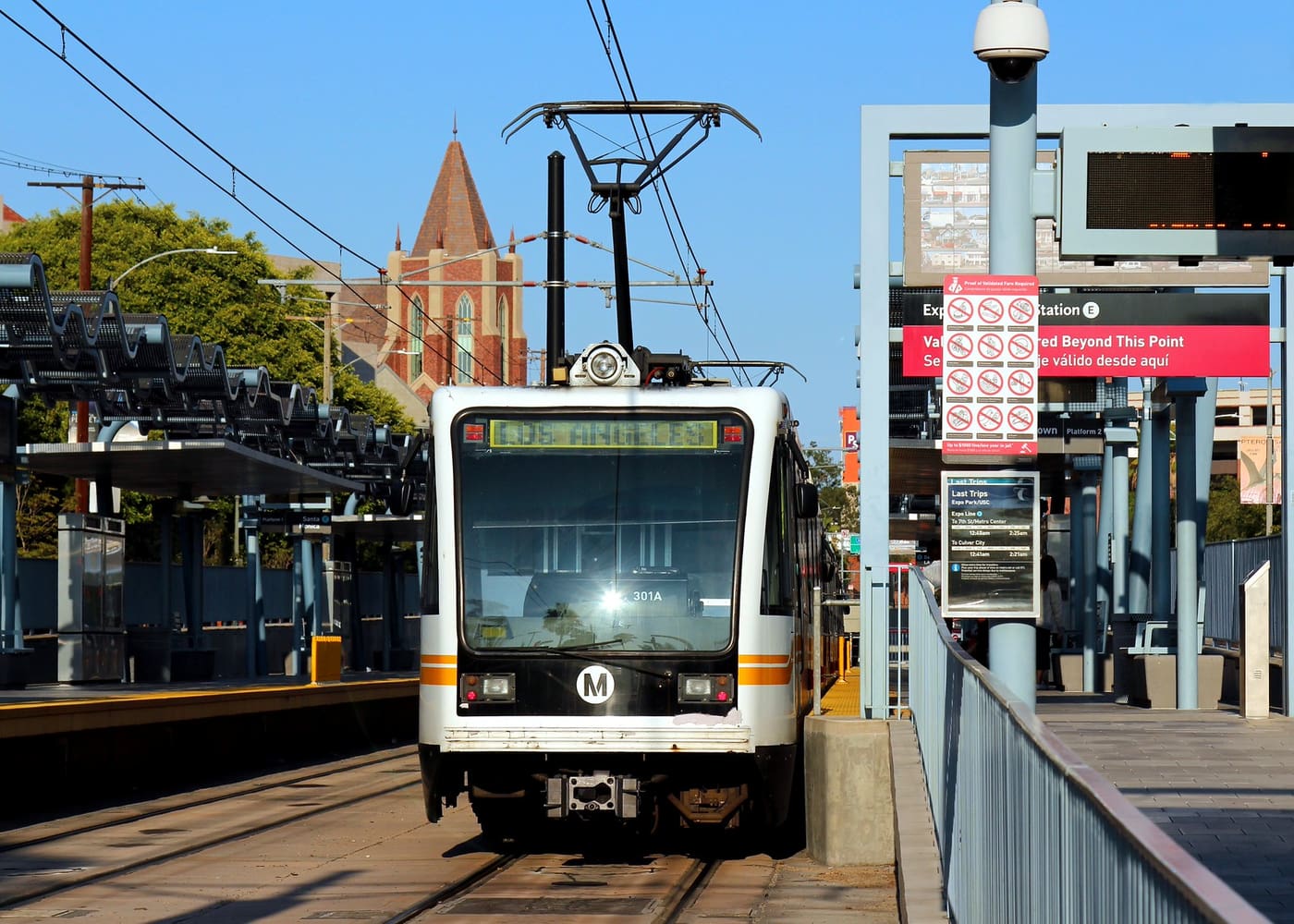
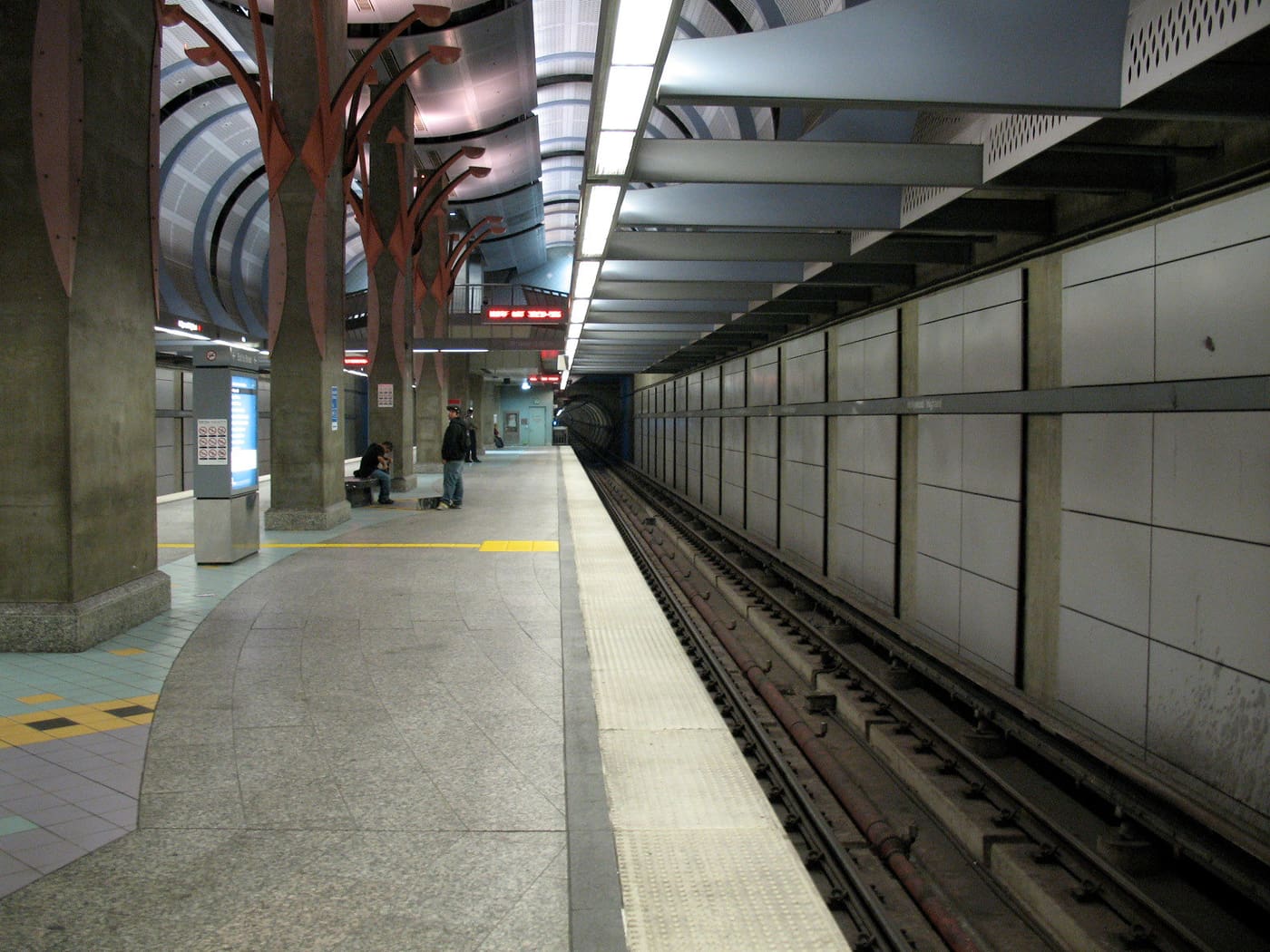
TAP and fares. Metro’s fares page lists a regular one-way fare of $1.75. You can pay with a reusable TAP card, the TAP app, a phone or watch wallet with a TAP card added, or a contactless bank card tapped at the reader. Cash works on buses only and needs exact fare. Fare capping is on the same page: a daily cap of $5 and a seven-day cap of $18, which don’t apply to cash payments. That means you can skip day passes and just tap each time. Transfers are free within two hours of tapping, and the fares page says children under 6 ride free with a fare-paying adult.
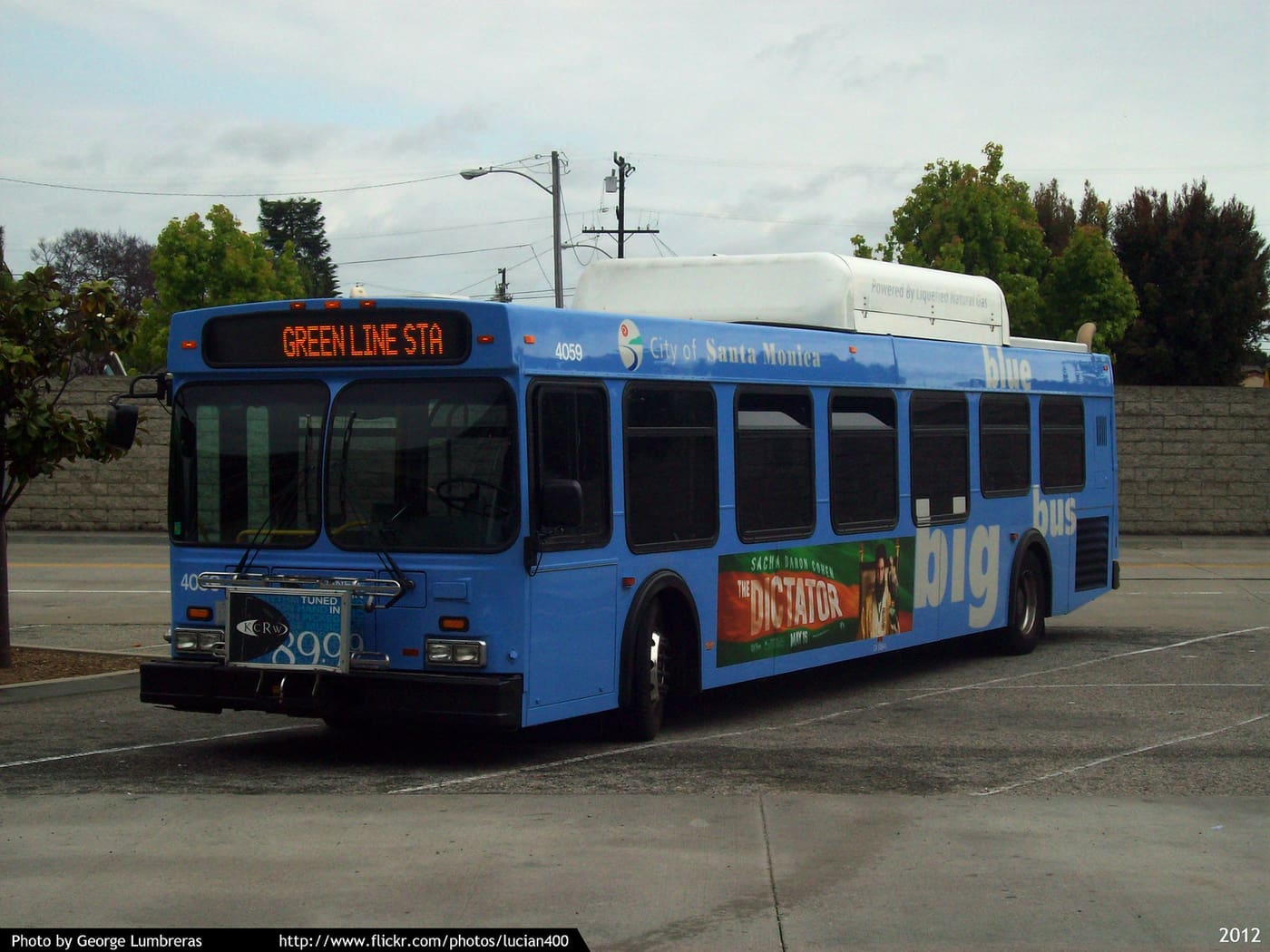
Buses. Metro buses fill in where rail doesn’t go, and Santa Monica has its own network, the Big Blue Bus. Its Rapid 10 runs between Santa Monica and Downtown, but the current Big Blue Bus guide shows it on weekdays only, so look at bigbluebus.com before counting on it. For the exact route and next arrival on any day, use Metro’s trip planner, which is more reliable than a rule of thumb.
Getting around Los Angeles without a car
It’s doable if you choose the base with this in mind. Downtown has the most rail, with the B and D Lines at Union Station and the E Line passing through. The walkable core includes Angels Flight, the short funicular on Hill Street across from Grand Central Market. Hollywood is on the B Line, and Santa Monica is at the end of the E Line. From any of the three, most of what you’ll want is a train, a bus or a short rideshare away.
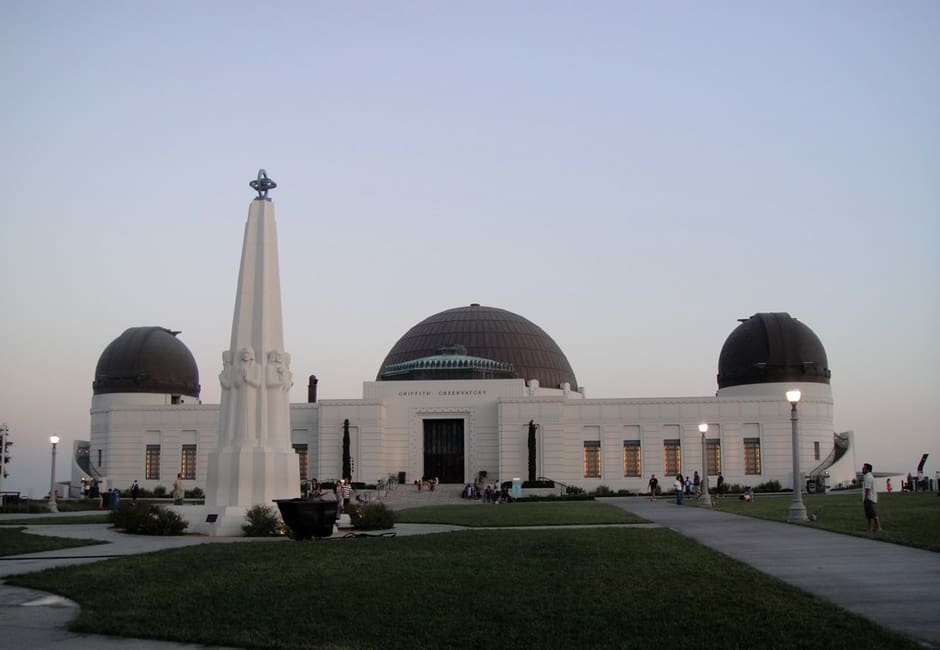
Los Angeles isn’t walkable as a whole. A few neighbourhoods are, such as Downtown, central Hollywood and the area around the Santa Monica Pier, and the walk from one to the next isn’t realistic. No rail line reaches Venice, so you’ll need a bus, a bike or a ride for that stop. For Griffith Observatory, the Hollywood Sign Trust points to the DASH bus as an alternative to driving.
Driving and parking
A car gives you the most freedom and the most time spent waiting. It makes sense if you’re staying in the Valley, in Pasadena, at the beach towns in the South Bay, or if you plan day trips such as Malibu or Joshua Tree. The map’s day trips list has what’s out there.
Plan around three things. Parking rules differ by block and the posted signs are the authority, including street-cleaning days, permit zones and time limits. Many attractions have their own lots, so look on the venue’s page for how to park there. For example, Griffith Observatory and the Hollywood Bowl both have their own advice for getting in, and the Hollywood Sign Trust says the Observatory’s parking has a fee and that Los Angeles’ DASH bus is an alternative. And a trip that takes a short time on a quiet morning can take much longer on a weekday afternoon.
Go early for anything that’s hard to park near, and pick a hotel with parking or one next to a Metro station if you don’t want to move the car much.
Rideshare
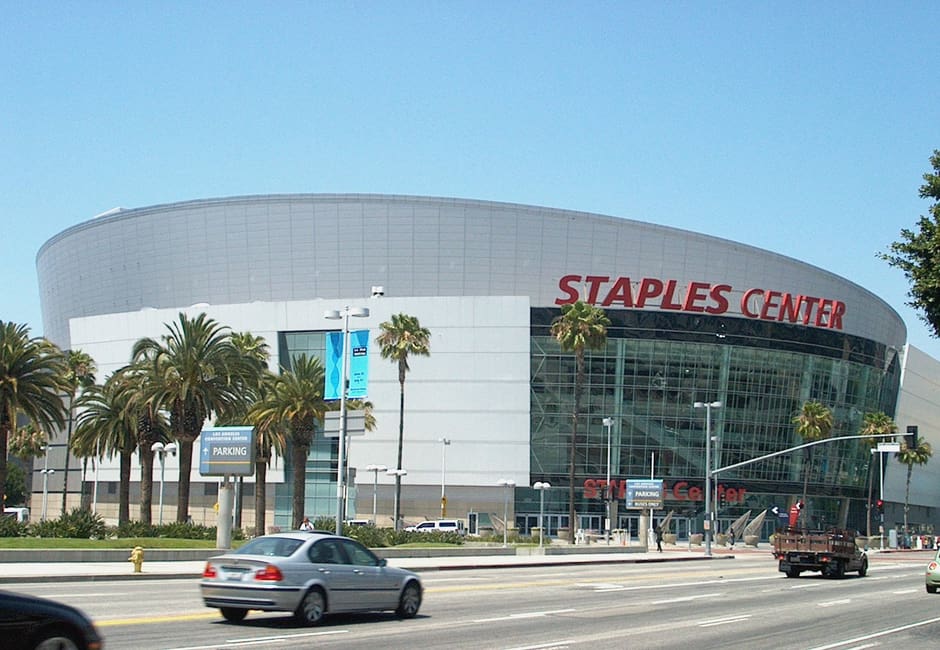
Rideshare apps cover the whole county and are the usual answer for late nights, for the beach to the hills, and for routes that rail doesn’t follow. Prices move with demand, so check the app before and after an event lets out. Venues with big crowds, such as the Hollywood Bowl, Crypto.com Arena and SoFi Stadium, tell you on their own pages how to leave. It’s worth reading before the night.
Amtrak, Metrolink and Union Station
Union Station is the rail hub. Amtrak’s Pacific Surfliner serves it on the line between San Luis Obispo and San Diego, and the Coast Starlight runs from Los Angeles to Seattle through Oakland and Sacramento, per Amtrak. Metrolink’s commuter trains and Metro’s B and D Lines stop there too, and the FlyAway bus links it to LAX. If you’re arriving by train from San Diego or Santa Barbara, you step off in Downtown, a short walk from Olvera Street, and you can reach most of the Metro system from the platform level. Look at amtrak.com for current timetables, since they change.
Bikes
Metro Bike Share has stations in parts of the county. Prices, passes and the station map are on bikeshare.metro.net, which also covers e-bikes. Bikes suit flat stretches such as the coast and Downtown, and they’re a poor fit for the hills above Hollywood.
How long trips really take
Distances in Los Angeles don’t tell you much. The same drive across town can be quick at one time of day and long at another, so the best habit is to check the live time on your map app before you leave and to group your day by area. A day in Santa Monica and Venice pairs well, as do Hollywood and Los Feliz and Griffith Park, or Downtown with Koreatown. The mistake to avoid is a day that bounces between the coast and the east side.
If you’re choosing where to sleep with this in mind, the Santa Monica, Hollywood and Downtown comparison covers the trade-offs, and Los Angeles weather by month helps you time the trip. You can see where everything sits on the map, and events and live music show what’s on the days you’re there.
Frequently Asked Questions
How do tourists get around Los Angeles?
Most visitors mix Metro rail for corridors such as Hollywood, Downtown and Santa Monica with rideshare or a rental car for the rest. Group each day by area so you aren’t crossing the city.
Can you get around Los Angeles without a car?
Yes, if you stay near a Metro line. The B Line serves Hollywood, the E Line runs to Santa Monica, and Union Station links Metro, Metrolink and Amtrak. Expect to use a bus or a rideshare for places like Venice.
How much does the LA Metro cost?
A regular one-way fare is $1.75, with free transfers within two hours. Fare capping stops you paying more than $5 in a day or $18 in seven days when you pay with TAP or a contactless card.
Can you ride the LA Metro for free?
Not as a visitor, though children under 6 ride free with a fare-paying adult. Students at participating K-12 schools ride free with GoPass.
What’s the difference between Metro and Metrolink?
Metro runs the county’s rail lines and buses. Metrolink runs commuter trains from Union Station to the surrounding areas, and it’s a separate service.
What’s the best way to get from LAX to Downtown Los Angeles?
The FlyAway bus runs non-stop from LAX to Union Station, and it’s the simplest option with luggage. Metro is cheaper but takes a free shuttle to the LAX/Metro Transit Center and a change of trains.
Is there a train to LAX?
No train goes into the terminals. The LAX/Metro Transit Center station is just outside the airport, and free shuttles link it to the terminals.
Can you use Uber around Los Angeles?
Yes. Rideshare covers the whole county and suits late nights and routes that rail doesn’t follow. Prices rise with demand, so check the app before you book.
Places in this guide
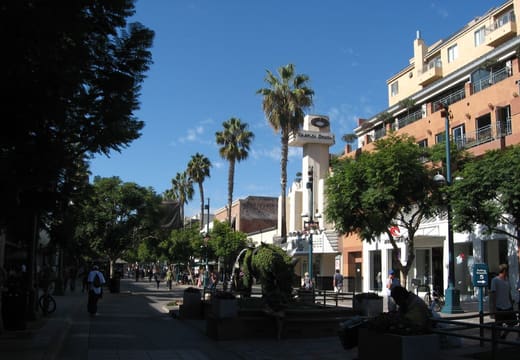
Photos show the actual places, licensed under Creative Commons and credited to their photographers.

Find hotels in Los Angeles
Browse live availability and compare prices for your dates.
See hotels near Los Angeles on Booking.comPrices are for the night of Saturday 21 November. You can change the dates on Booking.com. If you book, Roam Los Angeles earns a small commission from Stay22 at no extra cost to you.